Complete Wildlife Management to Shield Your Property
Rigorous pest management is essential for safeguarding properties from the perils brought by everyday pest problems. Small mammals, raccoons, and climbing rodents can cause significant damage and create health risks. Grasping their behavioral traits and the likely effects on neighborhood properties is the primary stage in proper control. Yet, several methods exist to reduce these risks. Pinpointing the correct strategy can provide substantial benefit in creating a safe and harmonious environment. What strategies should homeowners undertake to guarantee ongoing safety?
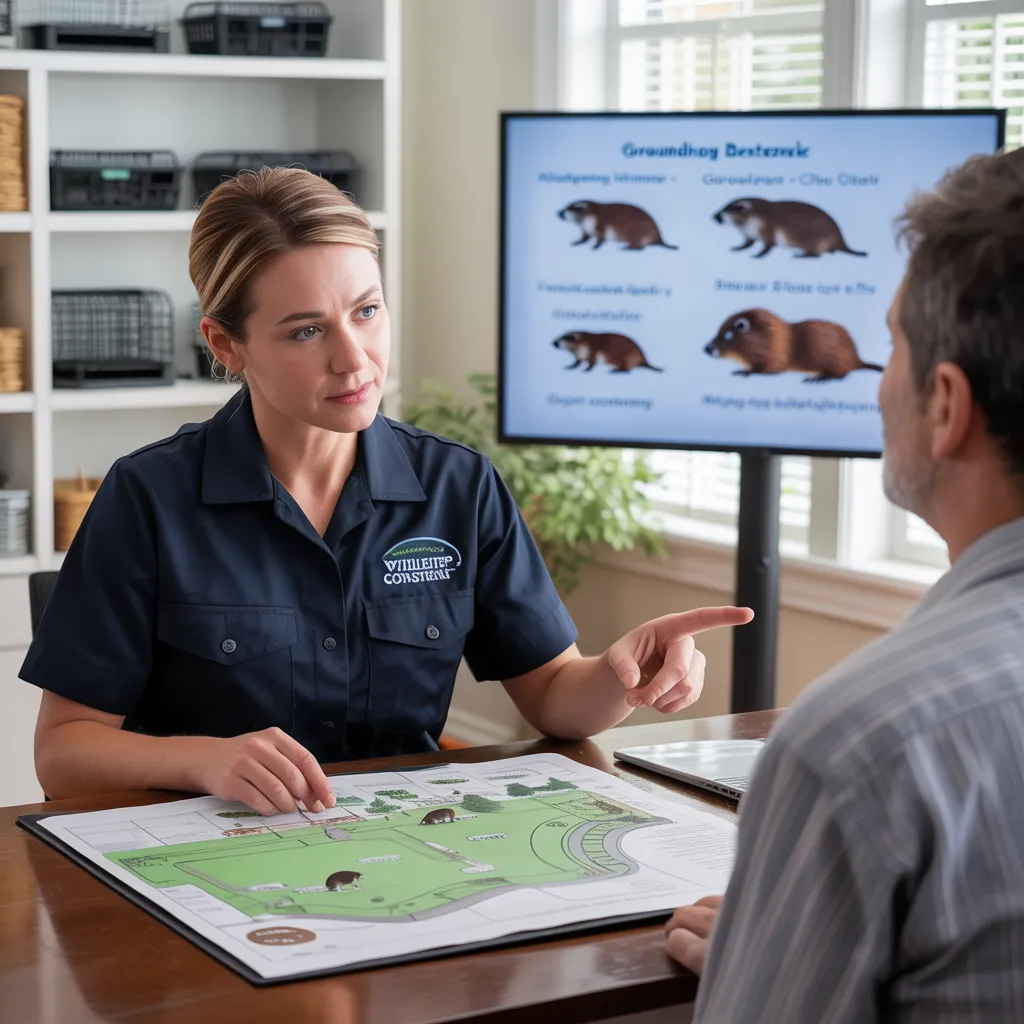
Spotting Standard Fauna Pests and Their Health Risks
Many property owners encounter a variety of wildlife pests that create significant risks to health and property. Common intruders consist of rodents, raccoons, squirrels, and bats. Rodents, such as mice and rats, can damage insulation and wiring while transmitting diseases through their droppings. Raccoons are notorious for rummaging through garbage and can transmit parasites harmful to humans. Squirrels may chew wooden structures and electrical wiring, creating potential fire hazards. Bats, while beneficial for insect control, can pose health risks through their droppings, which may contain histoplasmosis spores. Each of these pests not only threatens the physical integrity of a home but also the well-being of its occupants. Recognizing the signs of infestations, such as droppings, gnaw marks, and nests, is essential for homeowners. Early identification allows for timely intervention, minimizing the risks associated with these common wildlife pests.
Understanding the Effect of Animal Management on Your Property
Effective animal management approaches directly shape the security and structural soundness of a property. When wildlife is managed appropriately, property owners can mitigate potential damage caused by pests, such as building decay and food supply pollution. A preventative strategy to wildlife control not only protects physical assets but also enhances the overall health of the environment surrounding the property.
In addition, effective control lowers the risk of disease transmission, safeguarding both inhabitants and pets. Wildlife can carry various pathogens that pose threats to public health; therefore, managing these populations is essential for maintaining a safe living space. Additionally, successful wildlife control fosters a sense of security, allowing property owners to engage in outdoor activities without fear of encounters with pests. Ultimately, understanding the impact of wildlife control is vital for ensuring that a property remains a safe, healthy, and welcoming environment for the people living there.
Verified Practices for Managing Animal Infestations
Implementing proactive measures is crucial for avoiding animal invasions. Property owners can significantly minimize the threat by keeping areas clean and securing food sources. This encompasses proper waste disposal and keeping pet food inside. Additionally, closing off access areas, such as foundation cracks, ventilation openings, and chimneys, can deter animals from accessing buildings.
Landscaping serves an important function; cutting trees and shrubs back from structures lessens potential nesting sites. Installing fences around gardens can further protect against herbivorous wildlife.
Routine inspections of the property help recognize signs of potential infestations early, allowing for timely interventions. Utilizing motion-activated lights or noise deterrents can also discourage wildlife from approaching.
Humane Animal Control Solutions to copyrightine Next
Employing ethical wildlife control methods promotes a equilibrium between protecting property and respecting animal rights. These methods focus on humane approaches to handle wildlife interactions efficiently. One common method is the use of live traps, enabling for the safe capture and relocation of creatures without injury. Additionally, exclusion strategies, such as sealing entry points and eliminating food sources, can deter animals from accessing properties.
Altering habitat is another kind method, including the transformation of surroundings to make them less inviting to undesirable animals. For instance, keeping yards clean and maintaining trash in secure containers can greatly reduce wildlife encounters.
Furthermore, using natural repellents, such as predator scents or pungent materials, can motivate wildlife to keep their distance. These approaches not only safeguard property but also encourage coexistence with local wildlife, cultivating a harmonious relationship between humans and nature.
When should you reach out to animal removal professionals?
Recognizing when to engage wildlife control specialists often copyrights on detecting proof of infestation and gauging property destruction. Homeowners should remain vigilant for unusual animal activity or physical evidence of wildlife activity. Prompt response can stop further destruction and assure safe and humane extraction of any intruding animals.
Signs Of Infestation
Detecting the warnings of a wildlife infestation is vital for rapid intervention. Homeowners should stay vigilant for various signals that may suggest the arrival of unwanted animals. Frequent signs include droppings, which can vary in size and shape depending on the species, and odd sounds, particularly during the night. Also, marks or scratches on walls and surfaces may indicate animal activity, while dens or nests spotted around the property can further establish an infestation. Vanishing food shortages, gnawed wires, or damaged insulation may also point to wildlife intrusion. If these signs are detected, it is vital to reach out to wildlife control specialists to review the situation and implement effective remedies before the concern intensifies.
Property Damage Assessment
It is important for homeowners to inspect property damage caused by wildlife when facing possible infestations. Damage signs often include wires that have been chewed, gnawed wood, and insulation that is torn, which typically indicate the presence of rodents or other animals. Owners should also look for droppings, nesting materials, and any structural weaknesses, as these issues can lead to expensive repairs if not fixed quickly. Moreover, water damage from points where animals enter can undermine a property's integrity. When damage is severe or the infestation source unclear, it is important to call in wildlife control professionals. These experts can corresponding information evaluate the condition, carry out effective removal methods, and prevent future complications, ensuring the property stays safe and intact.
Strategies to Prevent Wildlife from Approaching for the Long Haul
Managing wildlife effectively demands a strategic approach that combines prevention, environmental adjustment, and ongoing maintenance. Successful deterrence begins with protecting food supplies; homeowners should store pet food, birdseed, and trash in airtight bins. Eliminating water supplies, such as blocked gutters or stagnant water, also reduces animal interest.
Habitat transformation is critical. Excessive vegetation should be trimmed, and potential nesting sites, like woodpiles and dense shrubs, must be eliminated. Adding fencing can repel larger animals from accessing yards, while smaller creatures can be discouraged by using barriers.
Ongoing maintenance is imperative for long-term prosperity. Steady inspections of the property should be undertaken to recognize new entry points or marks of wildlife activity. Rapid corrections and adjustments will assure that established defenses remain effective. By continuously executing these strategies, property owners can construct an context that inhibits animal penetration, preserving their properties and gardens for the years to come.
Suggestions for Coexisting Peacefully With Local Wildlife
Living harmoniously with local wildlife improves both the environment and neighborhood well-being. To achieve this harmony, people can implement many practical approaches. To start with, securing trash bins and organic waste piles stops animals from foraging, decreasing unwanted wildlife encounters. Additionally, maintaining indigenous vegetation in gardens fosters a native environment that supports local species while reducing non-native vegetation that may damage local ecological systems.
In addition, property owners should avoid using dangerous chemical treatments, as these substances can harm both animals and the local habitat. Educating the community about local wildlife behaviors promotes understanding and minimizes worry. Placing wildlife-friendly fencing can also help protect gardens without damaging fauna.
To conclude, joining forces with local conservation groups can make available resources and support for animal-safe practices. By deploying these strategies, communities can savor the benefits of local wildlife while securing safety and sustainability for all.

Common Inquired Questions
What regulations relate to Wildlife Control in my area?
Regional rules relating to wildlife control vary based on location and often require permits, prohibited methods, and predetermined seasons. People should get in touch with local wildlife departments for exact guidelines to ensure conformity with regional laws and regulations.
How Many Will Professional Animal Removal Typically Run You?
Pest control specialists usually cost between $200 and $600, affected by aspects like the species involved, severity level of the occurrence, and services required. Extra fees might be added for follow-up visits or preventative methods.
Can Wildlife Control Techniques Harm Pets or Livestock?
Control methods for wildlife can possibly injure pets or livestock if not carefully handled. Some approaches may unintentionally impact unintended wildlife, highlighting the importance of selecting experienced professionals who prioritize safety for all animals involved.
In what way Can I React if I Encounter Hurt Fauna on My Premises?
Should you stumble upon hurt animals, calmly watch from a distance, don't handle it, and contact local animal rescue organizations or animal control for professional assistance to guarantee the animal receives proper care.
Do seasonal fluctuations in wildlife activity occur that I should understand?
Seasonal patterns in wildlife activity often reach their highest levels during spring and fall. Animals may be more visible seeking food and shelter, while winter brings dormancy or migration. Awareness of these cycles aids in effective wildlife management.